 Photo by Toa Heftiba on Unsplash
You’ve said yes, you’ve called your mom, and now everyone — and we mean everyone — wants to know the details. Where is it? When is it? Can they bring a plus-one? Before the texts pile up and your inbox becomes a part-time job, a wedding website is the single best tool for getting your guests on the same page. The good news? You absolutely do not need to spend a dime to create one. This guide walks you through exactly how to create a wedding website free, what to put on it, and how to make it feel like you — not just another generic template.
Why You Actually Need a Wedding Website
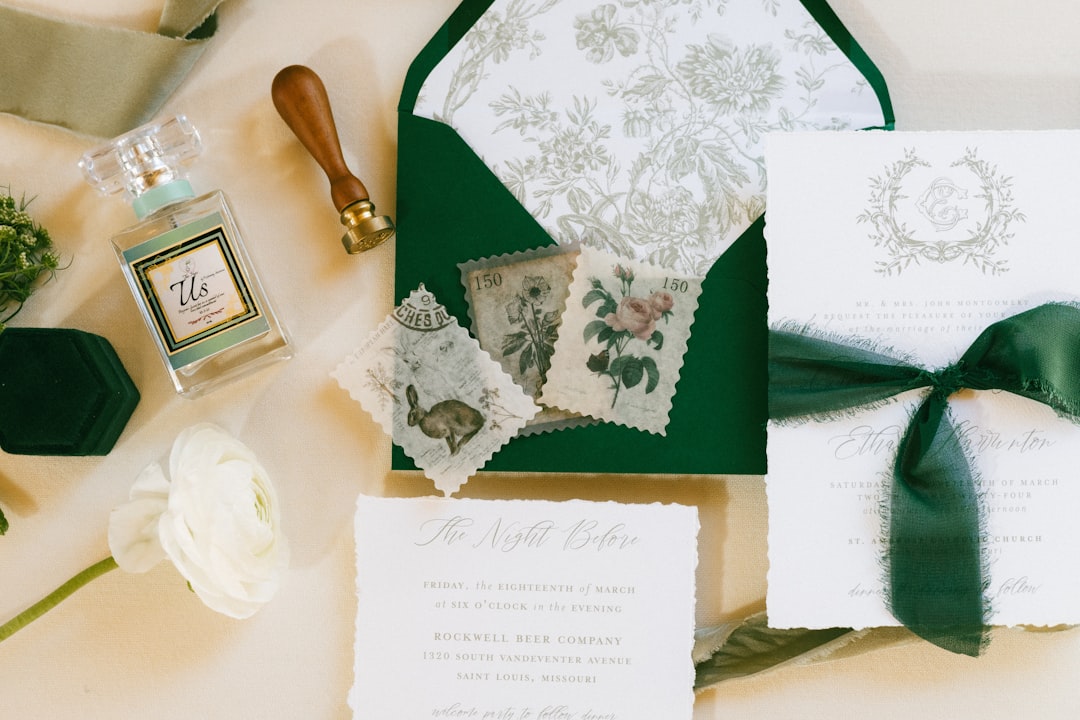 Photo by Stacey Vandas on Unsplash
Let’s be honest: paper invitations are beautiful, but they have limits. There’s only so much you can fit on a card before it starts looking like a legal document. A wedding website gives you unlimited space to share the information your guests actually need — without the postage costs.
Here’s what a wedding website does that a paper invite simply can’t:
- Handles RSVPs digitally, so you’re not chasing down response cards for weeks
- Answers FAQs before they’re asked (yes, there’s parking; no, the venue is not child-friendly)
- Updates in real time — if your ceremony time changes, one edit fixes it everywhere
- Keeps out-of-town guests informed about hotels, transportation, and local things to do
- Builds excitement with your love story, engagement photos, and wedding party introductions
The bottom line: a wedding website saves you time, reduces back-and-forth communication, and makes the whole experience smoother for everyone involved.
Choosing the Right Free Wedding Website Platform
 Photo by Walls.io on Unsplash
Not all free website builders are created equal. Some slap a giant ad banner across your header. Others hide their best templates behind a paywall. Here’s what to look for before you commit:
Things to prioritize:
- Clean, customizable templates that match your wedding aesthetic
- Free RSVP management tools
- A custom URL option (even something like jackandkatie2027.myweddingsite.com looks more intentional than a random string of numbers)
- Guest management features
- Password protection so your details stay private until you’re ready
One platform worth checking out early in your search is [WedSites](AFFILIATE LINK). It offers a genuinely generous free tier that includes RSVP tools, a guest list manager, and beautiful templates — the kind of features that usually cost money on other platforms. It’s a great starting point if you want something polished without piecing together workarounds.
Other popular free options include Zola, The Knot, and Joy, each with slightly different strengths. Zola is excellent if you’re also setting up a registry there. The Knot integrates well with its vendor search tools. Joy is especially loved for its guest communication features. Try one and see how it feels — most take less than 15 minutes to set up.
What to Include on Your Wedding Website
Once you’ve picked your platform, the fun part begins. Think of your wedding website as the one place where guests can find everything they need. Here’s a section-by-section breakdown:
The Basics (Non-Negotiable)
- Names of the couple — yes, this sounds obvious, but make it prominent
- Date, time, and full venue address with a link to Google Maps
- Dress code written clearly (no one wants to show up in a sundress to a black-tie affair)
- RSVP deadline and link
The Details (Really Helpful)
- Ceremony vs. reception venue if they’re different locations
- Parking and transportation info — is there a shuttle? Is street parking free?
- Accommodations — list two or three nearby hotels at different price points, and mention if you have a room block
- Schedule of events — you don’t need exact times, but a general flow helps guests plan
The Personal Touches (The Fun Stuff)
- Your love story — a short, honest paragraph about how you met goes a long way
- Engagement photos — even just three or four images makes the site feel warm and real
- Wedding party introductions — a photo and a one-liner for each person
- Registry links — make it easy, not awkward
The Practical Extras
- FAQs page for anything that doesn’t fit elsewhere
- Contact info — ideally a dedicated email address, not your personal one
- COVID or health policies if still relevant to your event
How to Customize Your Wedding Website to Match Your Style
A free template doesn’t have to look like a free template. With a few intentional choices, your website can look completely cohesive with the rest of your wedding branding.
Color palette: Most platforms let you adjust colors. Pull your wedding colors — or even just a neutral and one accent — and apply them consistently throughout the site.
Fonts: Stick to two fonts maximum: one for headings, one for body text. Mixing more than two starts to look cluttered fast.
Photos: Use high-quality images, even if they’re just from your phone. Natural light, genuine smiles, and candid moments always outperform forced poses. Your engagement photos are perfect here.
Tone of voice: Write your website the way you actually talk. If you’re a funny couple, let that show. If you’re more private and understated, keep it clean and minimal. Guests will appreciate feeling like they’re hearing from you, not reading a press release.
Consistency: If your invitations have a specific motif — florals, geometric lines, a particular illustration — try to echo that on your website, even loosely. It signals thoughtfulness and ties everything together.
Setting Up Your RSVP System the Right Way
The RSVP function is arguably the most important part of your wedding website, and it’s worth spending a few extra minutes to set it up properly from the start.
Here’s how to make it work for you:
- Set a clear deadline — typically four to six weeks before your wedding date, which gives you time to finalize your headcount with the venue and caterer
- Ask for meal preferences if your venue requires them upfront
- Include a field for dietary restrictions — this question saves real headaches later
- Enable plus-one management carefully — some platforms let you control whether guests can bring a guest, which is especially helpful if you have a strict headcount
- Set up automatic confirmation emails so guests know their RSVP went through — this reduces the “did you get my response?” follow-up texts
After your RSVP deadline passes, export your guest list to a spreadsheet and cross-reference with any paper responses or direct messages. Not everyone will use the website, and that’s okay — the goal is to make it as easy as possible for the people who will.
When to Launch Your Wedding Website
Timing matters more than most couples realize. Launch too early and you’ll have a half-finished site with placeholder text floating around the internet. Launch too late and guests will already be asking questions you haven’t answered.
The sweet spot:
- 12–18 months out: Launch a simple version with the date, location, and a “more details coming soon” note — especially if you’re doing a destination wedding or need guests to book travel early
- When save-the-dates go out: Your website URL should appear on every save-the-date. This is when most guests will visit for the first time, so the core info should be live
- When invitations go out: By now, your site should be fully complete — RSVP page, accommodations, FAQ, the works
- One week before the wedding: Do a final review. Update anything that’s changed, add any last-minute logistical notes, and check that your RSVP form is still accepting responses if needed
Frequently Asked Questions
Is it really free to create a wedding website, or are there hidden costs? Most platforms offer a genuinely free tier that covers the essentials — a website, basic templates, and RSVP functionality. Costs typically come in if you want a fully custom domain (like jackandkatie.com instead of a platform subdomain), premium templates, or advanced features like guest messaging. For most couples, the free version is more than enough.
How do I keep my wedding website private from people I haven’t invited? Almost every major wedding website platform offers a password-protection feature. You set a simple password and share it only with invited guests — either on your save-the-date or invitation. This keeps your event details, venue address, and guest list away from anyone who stumbles across the URL.
Can I use my wedding website for the RSVP instead of mailing response cards? Absolutely — and many couples do exactly this. A digital RSVP is faster, easier to track, and eliminates the “lost in the mail” problem entirely. If you have older guests who may not be comfortable with online forms, it’s perfectly fine to include a backup option, like a phone number or email address they can use instead.
When should I take my wedding website down? There’s no rule here, but most couples leave their site live for two to three months after the wedding — long enough that any guests looking for photo galleries or post-wedding updates can still find it. After that, you can simply let it expire or archive it as a keepsake.
Your wedding website is one of the first things your guests will interact with, and creating one doesn’t have to be complicated or costly. Start simple, add your key details, and let it grow as your plans come together.
Speaking of staying organized — if you haven’t already, download our free wedding planning checklist to keep every detail on track from engagement to honeymoon. It’s the same checklist we recommend to every couple who starts planning, and it pairs perfectly with a shiny new wedding website. Grab it below and let’s get you to the altar with your sanity fully intact. 💍